
A New Season, New Regulations, and New Cars
"When the car manages to act reliably enough to run however, there is the problem that it is simply slow."
Written by Harry Izzard, BA International Relations
Formula 1 (F1) is undergoing the biggest single regulation changes in the modern history of the sport going into the 2026 season, all with the intention of creating more dynamic racing than the previous generation of cars. The changes are designed to reduce downforce on the cars by around 30%, ultimately resulting in a reduction of dirty air. However, in order to recover the lap time lost by the reduction in downforce, there have been major alterations made to the engines that will result in higher top speeds down the straights. This combination creates a level of jeopardy in design and development, and gives teams more areas of development to find an edge over their competitors.
Following the pre-season tests and now the first few races of the season, we are now able to gather a semblance of a competitive order, and there are some teams that stand out.
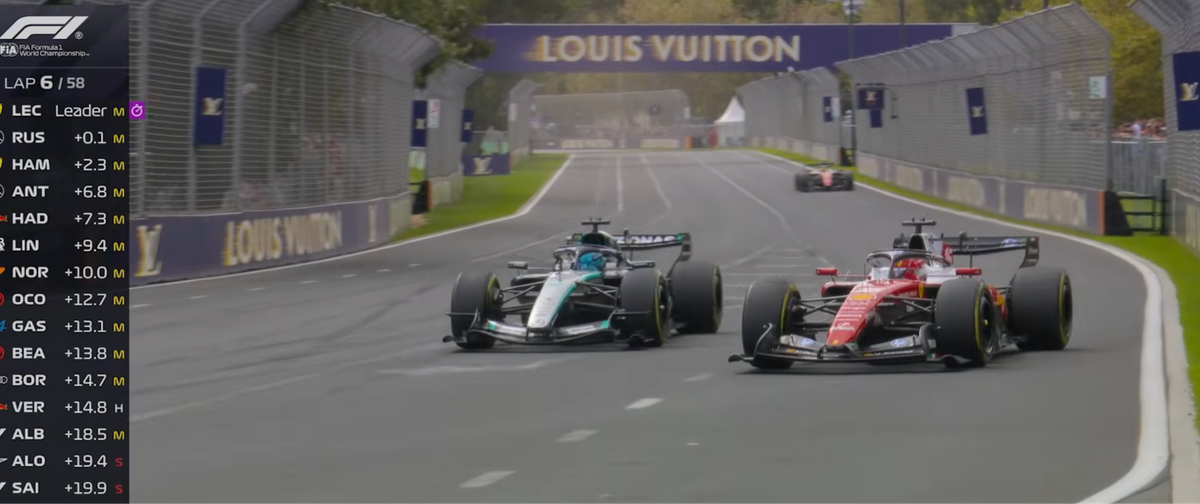
The first of these highlights is Mercedes. Their engine dominated the previous regulations, and it looks like the same might be happening again. Their dominance is evident, with a nearly 8 tenths of a second margin between pole-man George Russell and third-placed Isack Hadjar in qualifying for the first race. This has raised alarms around the engine compression ratio controversy, where it looks as if Mercedes have figured out a loophole in the regulations, allowing for an increase in engine performance compared to their competitors. This has drawn lots of criticism from other engine manufacturers, in particular Audi. Despite this, it appears Mercedes will be able to keep their engine unchanged for the bulk of the season. For Mercedes, this hopefully means they can propel George Russell to his first World Championship, and Kimi Antonelli to his first race win.
The next team to highlight is Ferrari. Expectations were low for Ferrari after a dismal season last year, where they went from runner-ups in 2024 to firmly 4th by the end of 2025. Many blamed this drop in performance on an inability to competently develop a car to the needs of the drivers. This was exacerbated by failed upgrade packages, casting doubt on Ferrari’s ability to innovate, a skill that is essential going into 2026. However, Ferrari have arguably proved doubts wrong, being one of the most innovative teams in testing, rolling out a series of aerodynamic upgrades through the first part of the season that seriously impressed other teams. To top it off, they finished testing with the fastest time of the six days in Bahrain, and only 12 seconds off the Mercedes’ in the first race. One example of this innovation is the ‘swivel-wing’: Ferrari’s rear wing was seen rotating 270 degrees on the straights in order to generate lift and increase the top speed of the car. Whether this will work is yet to be seen, but it can no longer be said that Ferrari aren’t innovating.
The final team to highlight is Aston Martin. Hopes were high for them; retaining two-time World Champion Fernando Alonso alongside Lance Stroll, legendary F1 designer Adrian Newey promoted to Team Principal, millions in investment and technology bought by team owner Lawrence Stroll, and a new engine manufacturer in Honda, hopefully all resulting in a competitive year. But following testing and the first race, there are serious concerns over the reliability of the project. Neither car was classified at the end of the first race, with Lance Stroll finishing over 15 laps down from the leading car. When the car manages to act reliably enough to run, however, another problem arises: it is simply slow. Only one car was able to compete in qualifying, placing ahead of the new team, Cadillac. All of this spells major problems for Aston Martin, unless they can make a proper recovery, they may not be the competitive team they expected to be.
In all, the F1 season in 2026 looks to be one that will be worth watching, no matter what happens.