From Duke to Mountbatten-Windsor: The Fall of the Former Prince Andrew
Sylvie Topps, LLB Law
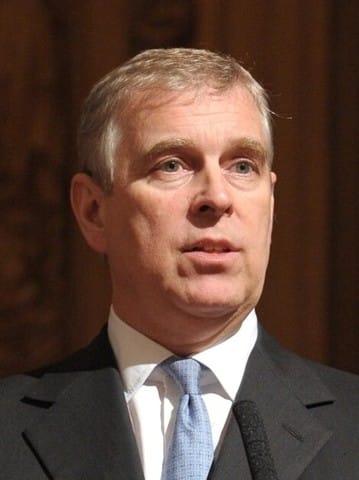
Across more than twelve centuries of rule, the British monarchy has weathered countless controversies, but few have transformed its modern public image as profoundly as the fall of the former Prince Andrew. Once a prominent member of the Royal Family, his association with Jeffrey Epstein and the subsequent civil litigation in the United States have reshaped both his public role and formal standing. Central to this shift has been the loss of his military titles, patronages, and privileges associated with his former status, resulting in his transition from the Duke of York to Andrew Mountbatten-Windsor.
The former prince’s connection to Jeffrey Epstein is well documented. Their first known interactions occurred in the late 1990s, when Andrew, Epstein and Ghislaine Maxwell - then a prominent socialite - were photographed together on a number of occasions. In 2010, Andrew visited Epstein in New York, shortly after Epstein had completed a sentence for sex offences. This visit later became a central point of public criticism.
Alongside these confirmed interactions are a series of sexual assault allegations made by Virginia Giuffre, which Andrew has consistently denied. Giuffre, who died in April this year from suicide, alleged that she was trafficked by Epstein and Maxwell and that she was sexually assaulted by Andrew on three occasions; in London, New York, and on Epstein’s private island while she was 17. These allegations formed the basis of a civil lawsuit filed in the United States in 2021. The case was concluded in 2022 through a monetary settlement, and the claims were never tested in court.
In 2024, further information about Epstein’s network emerged through court documents. These documents did not result in criminal charges against Andrew, but renewed public discussion about his conduct and position. Additionally, in 2025, a biography revisited these claims, compiling previously reported material and testimony, although much of this information remained legally untested.
At a time when British Social Attitudes surveys indicated that only fifty-one per cent of the UK population expressed strong support for the monarchy, the institutional response from the Royal Family has been closely watched. In January 2022, Buckingham Palace released an official statement, ‘With The Queen’s approval and agreement, The Duke of York’s military affiliations and Royal patronages have been returned to The Queen.’ This statement confirmed the removal of his military roles and more than seventy patronages. Although Andrew’s ‘His Royal Highness’ style of address was not formally revoked, he ceased using it in an official capacity, and withdrew from public royal duties.
This shift was further cemented in October 2025, when Andrew’s former official title, Duke of York, was removed under King Charles, and he became officially known as Andrew Mountbatten-Windsor. He described this as a decision ‘to put [his] duty to [his] family and country first.’ Nonetheless, his position as eighth in line to the throne remains, since excluding him from the line of succession would require a complex Act of Parliament. While he no longer holds any title, Andrew’s case has had a lasting impact on the Royal Family, intensifying debate about accountability, public trust, and the implications of an individual who has faced serious sexual abuse allegations remaining in the line of succession.