Have We Reached the End of Endless Scrolling?
Jasmine Donnelly, BA Digital Media, Culture & Creative Arts
In a culture increasingly shaped by algorithms and profit, the way we consume and create media is changing. Since being a content creator has increased in popularity, we are faced with more information and entertainment than ever before. However, endless choice isn’t as satisfying as it sounds; it often only ends in overwhelm and content fatigue. Viewers are beginning to tire from relentless content, unmemorable beyond the 15 seconds. What does the future we are scrolling toward look like?
The recent rise of ‘media diets,’ intentionally curated media consumption, shows a cultural shift into an awareness of overindulgence and a desire for an alternative. However, whilst the algorithm rolls into the next self-optimisation trend, its initial buzz fades. When we use the content we consume to express our identity, we mirror a neoliberal culture that is built on individuality and competition. Perhaps, instead of curated media diets asserting individual superiority, we really need meaningful collective change.
That brings me on to ask, how much agency do we have when using platforms that shape our interactions with content and each other? In 1973, Richard Serra said, ‘If something is free, you’re the product,’ referring to how the audience of television is the product to advertisers. Social media operates in a similar way, with one purpose: to sell advertising space to companies. Short-form content that is easily produced and consumed by the masses is now the standard, leading to a decline in quality and a surplus of content devoid of any unique value.
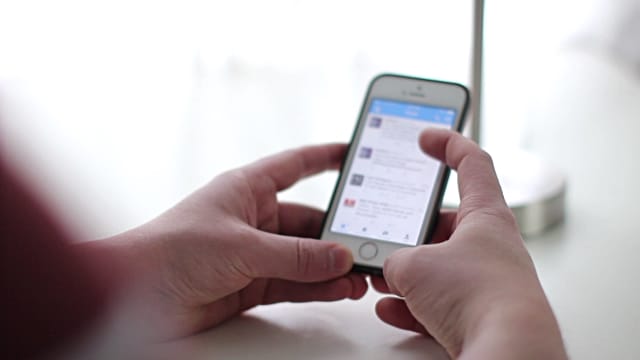
Artificial Intelligence (AI) content is pervasive and appears blatantly in new waves of meme culture, as well as subtly in captions and video scripts. A 2025 study by Axios found that just over 50% of articles are now ‘AI slop.’ This echoes the popular ‘dead internet theory,’ a conspiracy that the internet is now dominated by bots and AI. We are blinded by the unlimited choice of flattened content, and most people are suffering from ‘content fatigue,’ an exhaustion caused by an influx of information. And yet, we cannot seem to evade the almost instinctual need to scroll at the end of the day.
Beyond the murky timeline, a new version of the professional content creator is emerging due to industry grade cameras, editing softwares, and most importantly, passion. These individuals produce cinematic videos with intentionality and integrity, and this grabs the loyalties of users who want their scrolling experiences to be more meaningful. Although this artful content remains scarce due to the time and dedication it takes to produce, it is also precisely the reason why we love it.
The ‘social’ landscape is shifting beyond social media, with an increase in offline communities from running clubs to book clubs. People want to engage deeply with others and the media they consume, demonstrated by the rising popularity of Substack, a platform for sharing long-form writing, which now has over 20 million active monthly subscribers. It is up to us to create the change we wish to see; whether through being intentional about our media consumption or finding new creative modes of expression through the platforms accessible to us. The next phase of social media is in our hands.