
On Girlhood
Written by Zafeera Abdoola, International News Section Editor, BA Global Development and Politics
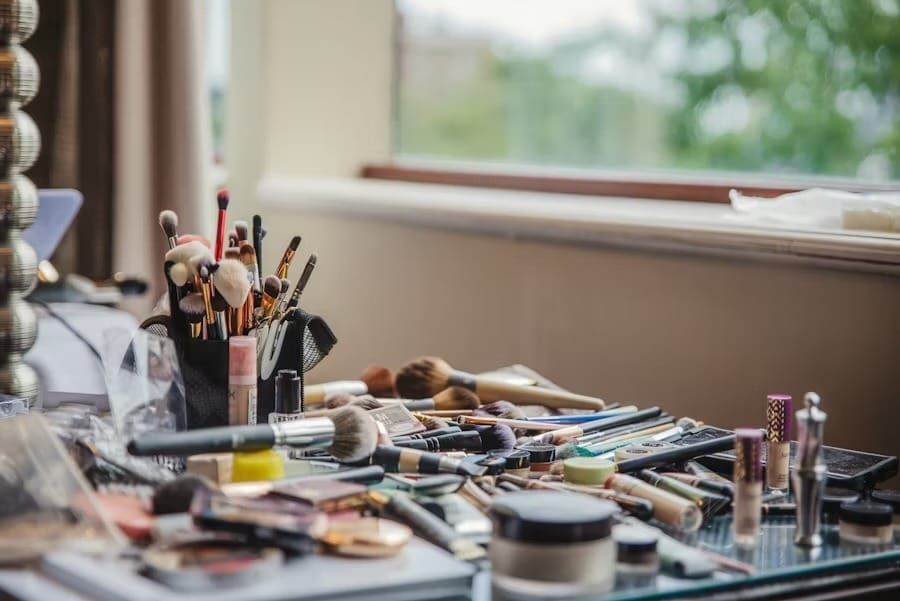
Not long ago, the internet was convinced we were losing girlhood. With small children rushing through the aisles of Sephora and glow-up tutorials produced by little girls, it seemed to many that we were losing an age of slow growth and development. Girlhood was sacred and in need of saving. To understand this, we must understand what girlhood is as a concept, to whom it extends, and whom it serves.
Girlhood should be understood as a social and cultural construct shaped by historical, political, and economic forces. It is not innate to anyone’s childhood. It is a category produced through expectations, representations, and institutions that assign particular traits to young people perceived as girls. Rather than existing as a natural or universal experience, girlhood is mediated by family structures, media portrayals, education systems, religion, and consumer culture.
Girlhood is both lived and imposed: something girls experience internally, but also something projected onto them by adults and society at large. As such, girlhood operates not just as a developmental phase, but as an ideological space. Freedom from patriarchal demands and pressures seems to play a significant role. This is why the loss of girlhood through acts associated with conforming to the demands of patriarchal beauty standards were perceived as so tragic and in need of rectification.
Social media was largely blamed for these shifts. Body-shaming and the promotion of cosmetic endeavours were seen as the trigger for the loss of girlhood. For the loss of freedom from these pressures. However, when examined more closely, it becomes clear that no such thing was lost as no such thing existed.
Patriarchal demands have largely dominated girls’ experience of childhood for time. How many of us girls have watched our mothers weigh themselves with dismay, or seen aunties pinching rolls, or received eerie warnings of eating too much or too little for fear of body changes. How many of us girls have received unwanted attention from men and boys as children? How many of us have tried desperately to analyse, alter and assimilate as a teenager?
This is not new. Historically, society has often sexualised girls in the media and there are plenty of gendered expectations regarding work and marriage, which are reproduced in every generation. Girlhood as a protection or positive experience with any meaningful distance from these pressures seems like a utopia that has never existed. Perhaps we romanticise our experiences of girlhood as these existing pressures intensify. Perhaps it seems dire that true freedom never really existed.
The urge to protect this period of existence for girls is understandable. However, the same systems which produce little girls scrambling through beauty aisles on our FYPs already seep through the existence of all childhood, regardless of generation. What we see may not be a corruption of the previously protected experience of girlhood, but rather a reminder that this never existed to begin with.
If these pressures feel sharper now, it may be because they are more visible and more aggressively marketed. They are intensified through the marketing of nine step skin-care routines to nine year olds. This predatory approach, however, is an extension of existing dynamics. The adultification of young girls is not new. Through labour obligations and economic oppression, many girls are already limited and coerced by capitalist pressures. The question that must be answered is, why does it seem as though something so previous is being encroached upon? Especially when considering that this form of girlhood is not nearly universal.
The experience of girlhood, much like the experience of womanhood, cannot be a uniform experience for all girls, by nature of the individual experience of gender. Girls of different class, race, location, ability, gender, and sexual identity will have vastly different encounters with girlhood. It stands to reason that conventional ideas of what girlhood is, are formed by an intersection of dominant experiences as produced by systems which value certain identities more than others.
Black girls often experience adultification more than white girls do. Disabled, trans, and working-class girls may not be granted the same assumptions of innocence. If girlhood is something to ‘save,’ we must ask: who was ever allowed to inhabit it fully?
Academically and socially we generally understand gender and gendered experience as something that is complex and diverse. Presenting this experience of childhood as operating within such a rigid binary seems to betray this. If these gendered experiences are so prevalent, who is the cause? Surely it cannot be the invention and implementation of children with such limited agency and understanding of gender. It is more likely that this is an experience projected onto children and expected of them. In this way, is girlhood something to be protected? Is girlhood something to be celebrated?
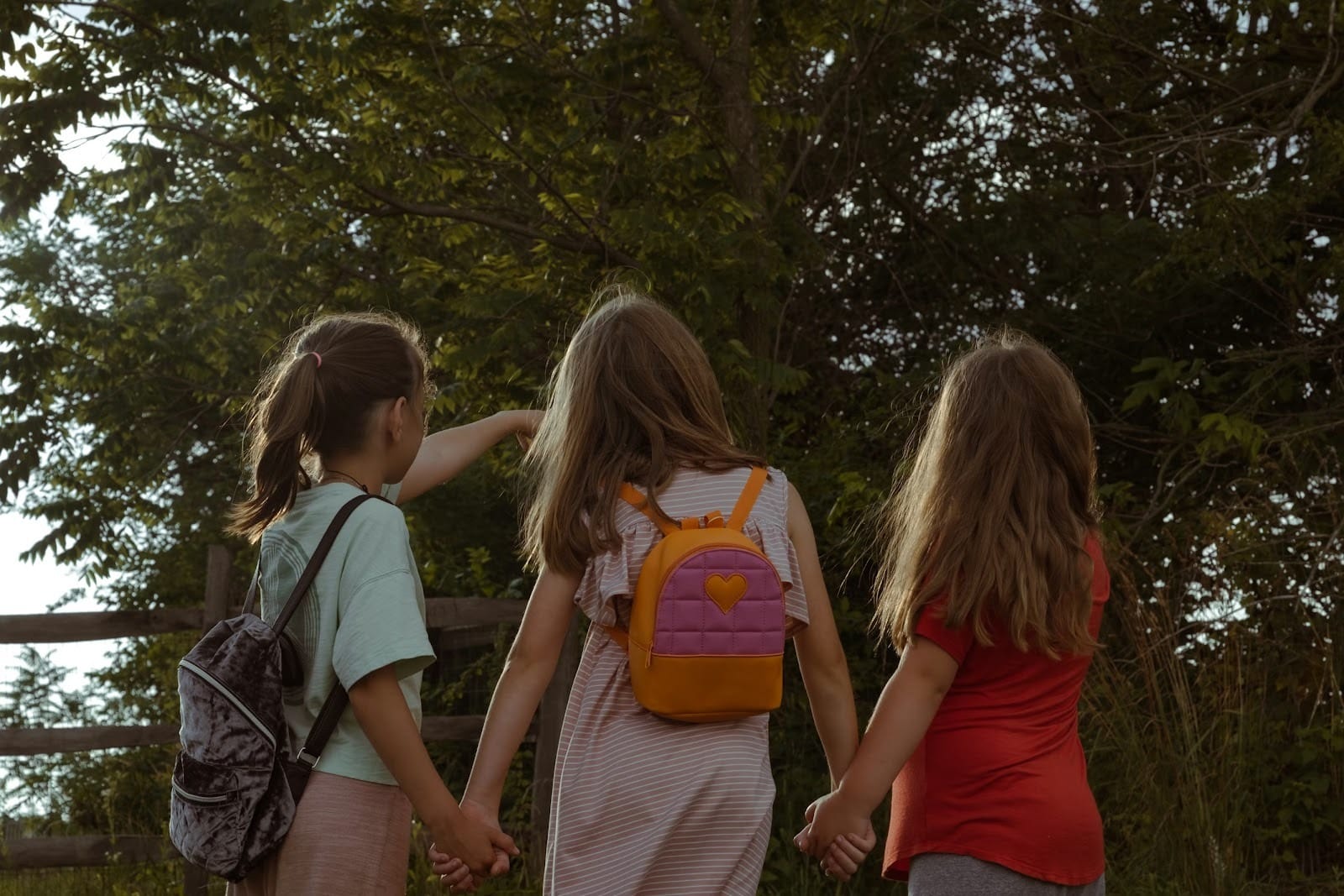
This does not mean that girlhood is void of value. A sense of camaraderie and bonding is a component of girlhood. The purity of the connections and friendships founded in a mutual sense of wonder about the world around is beautiful and in need of protection. In this way, girlhood can be wonderful. It can identify some shared experiences of a particular gendered upbringing. However, the presentation of this experience as inherent or inevitable as a prerequisite for womanhood could prove problematic for many.
When considering calls to save girlhood, the concept of girlhood as oriented around a straight, cisgendered, white and relatively privileged existence must be understood. What is saving girlhood if the global majority have never possessed this girlhood to begin with? Maybe we aren’t losing girlhood. Maybe the realities of childhood under patriarchy and capitalism are made more visible to us through social media, disrupting quixotic ideas of what girlhood means. Instead of looking to save an already flawed, uneven and gendered system of childhood, we should look at disrupting the conditions which necessitate girlhood as a supposed safe space to begin with.