Safe Spaces to Connect with Iranian Culture in a Time of Crisis
Anonymous
If you’re a member of the Iranian diaspora, sleepless nights and frequent doomscrolling have likely become an unwelcome part of daily life. As more images and videos emerge from the recent protests, and as communication within Iran remains restricted and heavily monitored, many of us have experienced a unique kind of pain in witnessing our people endure such turmoil from afar. Yet, as with any shared moments of distress, community becomes an increasingly vital way to sustain hope.
Starting locally, the SOAS Iranian Society (@soasiransoc) provides an important network for connecting with other Iranian students, notably through its WhatsApp chat. The society also provides spaces for collective reflection, such as its recent Open Dialogue event, which created a safe environment for students to share concerns and process the current situation in Iran. More broadly, the society hosts a wide range of cultural events and discussions that offer comfort through the shared celebration of Iranian heritage and identity.
Beyond university spaces, UK-based organisations such as the Iranian Heritage Foundation and the Jaleh Esfahani Foundation host events and foster informal networks centred on Iranian cultural discourse. Even for those unable to attend in person, many of these organisations offer virtual film screenings, talks, and artistic programming, allowing for a quieter and more private way to reconnect with Iranian narratives. For more targeted emotional support, however, the Omid Foundation’s ‘Support Circles’ may act as a more meaningful resource during this particularly distressing time. Combining somatic practices with open reflective discussions, these sessions aim to offer members of the diaspora “a space to regulate, release, and not be alone.”
For those seeking more activist-oriented engagement, the Iranian Diaspora Collective provides a wide array of tools and resources, including artwork and educational materials, to amplify voices from within Iran. Engaging with Iranian media can also help members of the diaspora feel connected without the feelings of guilt that may accompany moments of distraction. Upcoming screenings, such as the Barbican’s Masterpieces of the Iranian New Wave (4–26 February) and Jafar Panahi films on show at the Curzon Bloomsbury, all offer important opportunities to reconnect with Iranian storytelling while also providing non-Iranian friends and family with a deeper context for the realities unfolding in Iran. WritersMosaic’s upcoming event at the British Library on Monday 16 March also offers a comforting combination of conversation, poetry, film, and music, bringing together the voices of writers Marjorie Lotfi, Sana Nassari, and Shara Atashi, alongside Iranian musicians. The programme will also feature the powerful photography of Hengameh Golestan, documenting the strength and courage of Iranian women who have protested state oppression.
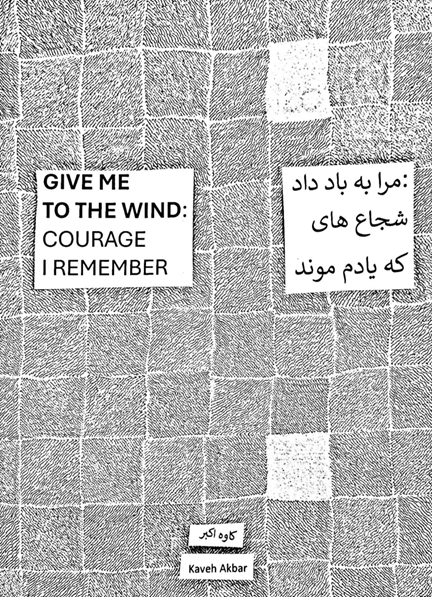
Finally, Iranian-American poet and author, Kaveh Akbar’s new bilingual English-Persian zine ‘Give Me to the Wind’, powerfully profiles fourteen individuals killed by the Islamic Republic in recent years, including in the current wave of protests. While this may be distressing for some, for others it may serve as a profound act of resistance, preserving the lives, stories and dignity of those the regime has sought to erase.