Selling Salvation: How the Way We Connect is Changing
"Through the hot-and-cold, intermittent nature of texting and social media, we are kept on edge, waiting for that dopamine hit."
Written by Elfi Eden, BA International Relations and Africa and Black Diaspora
For the first time since 1994, a rare calendar alignment has brought two vastly different cultural observances next to each other: The Christian celebration of St Valentine and the Islamic month of Ramadan, coinciding with only 4 days between them, highlighting the differences between modern and traditional love. Looking at these overarching cultural trends forces us to confront the very diverse ways we seek connection; ditching the overpriced teddy bears of February 14th to look at how ancient traditions - like the original St. Valentine's Day before Big Hallmark got its hands on it - might serve as vital blueprints for partnerships.
Before I start, yes, I am painting with very broad strokes. I realise that everyone’s personal accounts of love are wildly subjective, but my word limit simply does not have the wiggle room for 'it depends.'
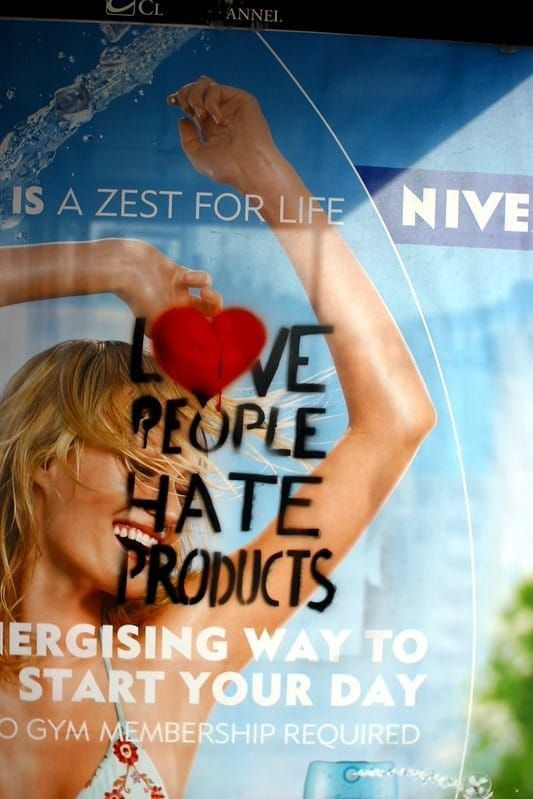
As our society grows increasingly secular, our relationship with traditional values has fundamentally shifted. At the centre of the modern landscape is the Western ideal of love, driven by personal freedom and the mandate to ‘follow your heart.’ While we frequently dismiss traditional religious practices as archaic, our rush to break free has led us straight into a new religion: capitalism. Today, Valentine's Day acts as its highest holy festival, where neoliberal capitalist missionaries convince us that salvation lies in a Labubu and some heart-shaped chocolate. By replacing ancient rituals with endless consumption, are we risking the intrinsic values of true love?
With the increased focus on personal choice and development, individuals put their own mental well-being and desires first. This fantastic exercise of freedom has led to a deeper understanding of choice, meaning we not only get to choose how to love, but also choose how we don’t. The possibility of same sex marriages, divorce, and the societal destigmatisation of dating apps have made the freedom around relationships fantastic and expansive.
However, simultaneously in the high-speed chase for love, there has been a loss of the true intention. The commercialisation of St Valentine's, and the detached nature of dating apps, convince us the grass is greener on the other side. We are taking much longer to connect deeply with one another, often getting bogged down by minor ‘icks’ and perceived ‘red flags’ that make it difficult to establish human connection.

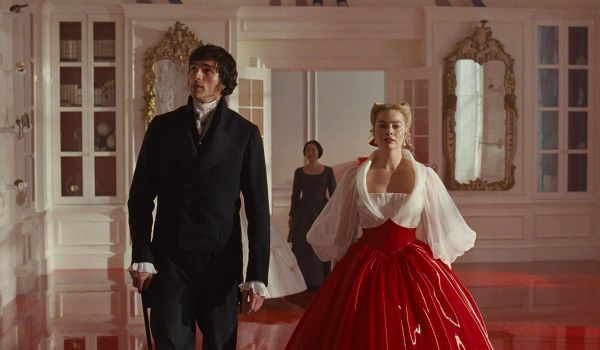
It is hard to deny that modern society actively perpetuates the occurrence of limerence. Having existed for centuries, once known simply as the ‘lovesickness’ of Romeo Montague, limerence was coined by Dorothy Tennov in the 1970s to distinguish obsessive, irrational love from mature love. Western media's obsession with tumultuous lust capitalises this, visible in the heightened eroticism of Emerald Fennell’s ‘Wuthering Heights’ and the lust-driven narrative of Paul Feig’s adaptation of ‘The Housemaid’. Modern technology has created the ultimate environment for this chaotic emotion to flourish. Through the hot-and-cold, intermittent nature of texting and social media, we are kept on edge, waiting for that dopamine hit; proving that modern romance seems to be monetised, centred almost entirely around love as an intense, unstable high rather than a steady foundation.
On the contrary, the month of Ramadan disentangles this chaotic web entirely. This period demands taking a step back, exercising self-control, and re-evaluating what deeply matters. Romantically, it shifts the focus entirely toward pure human connection and deep emotional compatibility. By actively avoiding lust, Ramadan becomes the perfect example of what happens when the outside noise is turned off, and true intentionality takes over. It is a time when self-control, empathy, and spiritual growth take precedent: bonds are best nurtured through shared emotional connection rather than momentary physical indulgence.
In stark contrast to modern dating's fixation on fleeting lust, it is interesting to look at how traditional religious practices regard love and finding relationships in a very different way: love is a unifying force that must be fiercely nurtured rather than simply consumed.
Christianity frames romantic love through ‘Agape’- a commitment to the other's well-being - within a lifelong, exclusive union where sex is reserved for marriage. Similarly, Islam views physical desire not as something to indulge recklessly, but as an instinct that leads to spiritual growth when harnessed properly through a lifelong marriage contract, acting as a shield against temptation. Hinduism acknowledges sensual pleasure (‘Kama’), but insists it be strictly governed by righteousness (‘dharma’), using the sacred duty of marriage to mature raw passion into deep companionship and devotion. And Judaism, holding a highly positive view of romance, anchors this intentional connection in marriage (‘Kiddushin’) as the ideal state for spiritual and emotional fulfilment, heavily emphasising companionship.
Valentine's Day and Ramadan falling right next to each other does something fascinating: it introduces secular people to the exact dichotomy that religious individuals navigate all the time. As a generation, we are sitting right at the intersection of religious tradition and a hyper-fast modern society, blessed with an unprecedented abundance of options. Rather than blindly repeating the past or completely surrendering to today's dating culture, we are finding our own middle ground. There is an active curation happening: younger religious people are increasingly choosing to create a hybrid that works for them, taking the most intentional parts of their heritage and applying them alongside modern societal norms to build the love they truly desire. Others find profound clarity in following those paths more traditionally. At the end of the day, discovering how we connect is a deeply personal journey. But in a dating landscape that can so often feel chaotic, it is comforting to look to these older cultural rhythms—not as strict rules, but as timeless reminders of how to build meaningful connection when we feel lost.