
From Gorton to Denton: How the Greens Won the Latest By-Election
Written by Isabel Balkhi, MA Social Anthropology and Persian.
The Green Party’s Hannah Spencer achieved a historic win in the Gorton and Denton by-election on Thursday, February 26th. Defeating both Reform UK and pushing the incumbent Labour Party into third place, the Manchester native secured a surprising majority of over 4,000 votes, signalling the start of a new chapter in UK politics. Spencer’s win also marked a significant milestone for the Greens, representing both their first Westminster by-election win and their first parliamentary seat in northern England.
“For the Greens, the election win highlighted the success of a fresher and more energetic approach that centred a working-class local at the heart of their campaign."
The election was triggered by the resignation of the previous seat holder, Andrew Gwynne, over health-related issues following his suspension last year for the leaking of offensive WhatsApp messages.
With tactical voting encouraged by both the Greens and the Labour Party to prevent Reform from winning, the election proved to be crucial for all three parties involved, but particularly for Labour, which had previously lost its Runcorn seat to Reform in the first by-election of May 2025.
The result also represents a striking loss in what had long been a Labour stronghold for almost 100 years. Keir Starmer, who has pledged to ‘keep on fighting’ despite a sharp 25% fall in the party’s vote share, has received criticism from Labour’s left wing, including former Deputy Prime Minister Angela Rayner, who called the loss ‘a wake-up call’ for the party.
With Starmer’s position now being even more precarious following the turmoil caused by Peter Mandelson’s resignation and later arrest, the party’s loss in Gorton and Denton could signal the end of his time in office.
Reform, on the other hand, has adopted a more outwardly critical response, attributing the loss to ‘a coalition of Islamists and woke progressives’, as claimed by its candidate, GB News presenter Matt Goodwin. Nigel Farage, leader of Reform UK, has also declared the election result to be a consequence of ‘family voting’, suggesting that voters engaged in the illegal practice whereby family members direct others’ voting intentions. Despite Muslim organisations warning that such claims could have potentially stigmatising effects on British Muslims, particularly in relation to accusations of ‘sectarian voting’, Greater Manchester Police are now reviewing the allegations following official reports submitted by Reform UK.
Meanwhile, for the Greens, the election win highlighted the success of a fresher and more energetic approach that centred a working-class local at the heart of their campaign. With an energetic and passionate operation led by Miles Thorpe, the face behind Carla Denyer’s electoral success in Bristol Central in 2024, it is clear that the support and mobilisation of both volunteers and party members helped to bring Spencer’s candidacy to the forefront of the election.
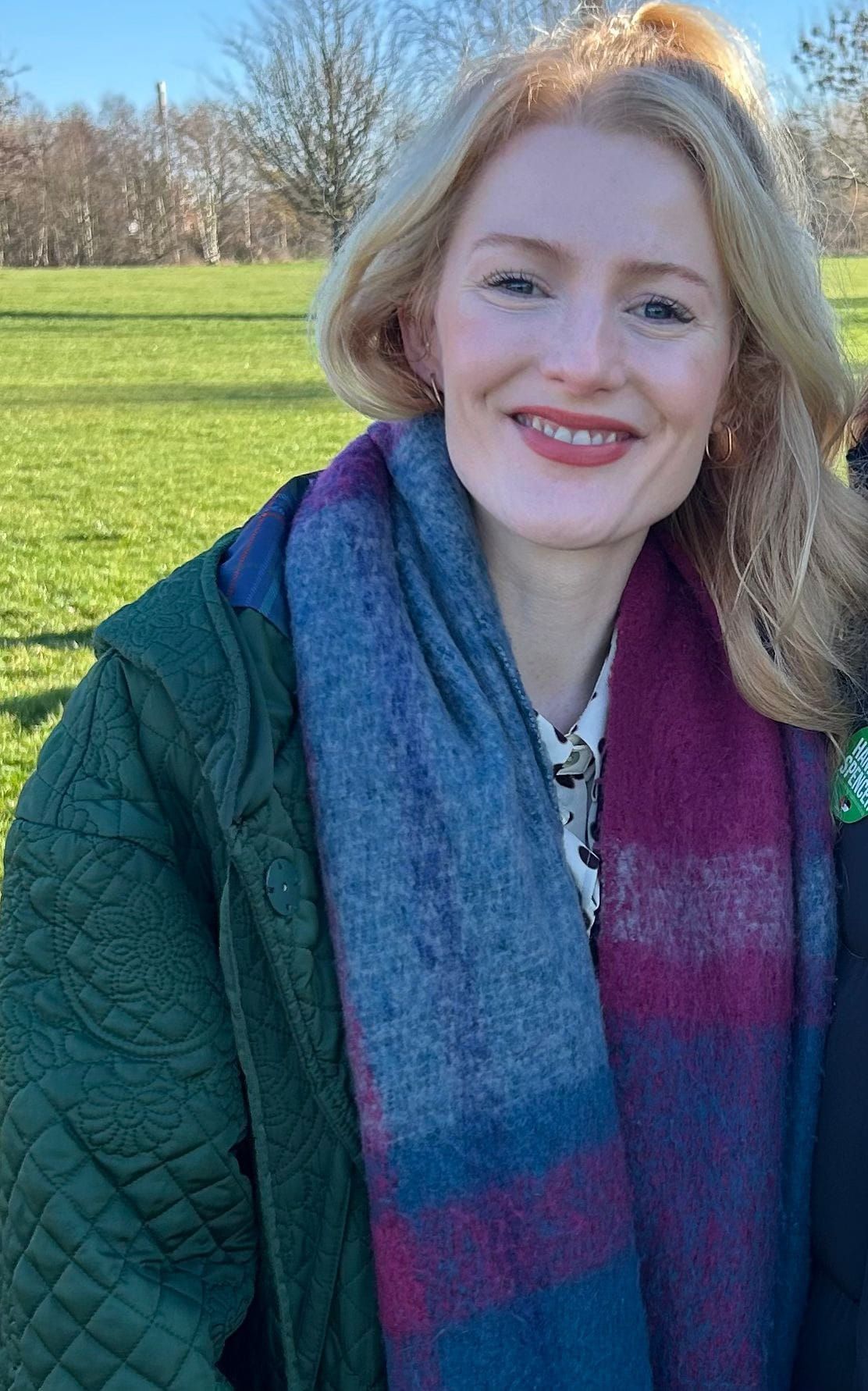
So, who is Hannah Spencer? Born and raised in Bolton, Greater Manchester, the newly elected MP has transitioned from working as a local plumber to serving as a Green Party councillor for the newly created Hale ward on Trafford Council following the 2023 election. Nicknamed ‘Hannah the plumber’, Spencer appeared to have drawn support from all over the constituency, including both its younger and Muslim populations as well as its white working-class communities. The 34-year-old’s particular focus on the cost of living, and her commitment to spending her ‘life fixing things that are broken’ appeared to be central to her campaign’s broad appeal, which led to a 47% vote share. References to her loyalty to her working-class roots were also made throughout an inspiring victory speech: ‘To our white working-class communities. The background that I have become proud to be from. We know how it feels to be looked down on…..To people in Denton, who feel left behind and isolated. I see you. And I will fight for you.’
Votes from the constituency’s Muslim population are also thought to have played a key role in the Greens’ win. Although historically strong supporters of Labour, many voters were reportedly dissatisfied with the party over major issues, including its response to the genocide in Gaza and ongoing pressures on the NHS. This dissatisfaction, combined with an endorsement from the campaign group, The Muslim Vote, and targeted strategies such as the printing of leaflets in Urdu, appears to have significantly influenced Gorton and Denton’s Muslim constituents to lend their vote to the Greens.
In addition, questions have been raised regarding the Labour Party’s National Executive Committee (NEC) decision to bar Greater Manchester Mayor Andy Burnham from standing in the by-election, and the potential impact on the election’s result. The move, reportedly supported by Starmer, prevented the so-called ‘King of the North’ from becoming the party’s candidate and from potentially challenging the Prime Minister’s weakened position as party leader. The decision has since drawn criticism from Labour figures, including Deputy Prime Minister Lucy Powell, who argued that Burnham might have won the seat had he been given the opportunity to stand.
Evidently, a range of factors contributed to the Greens’ landmark victory in the Gorton and Denton by-election. What this result may mean for Starmer and for Labour’s position more broadly remains unclear, but there is little doubt that this by-election has disrupted the UK’s previously rigid two-party system and altered the country’s wider political landscape.