‘Nothing tastes as good as skinny feels’ - From Fashion to Food
Written by Leila Campagna, BA International Relations.
Trends, consciously or not, have consistently based themselves on what is inaccessible to the lower classes. For instance, in the Victorian period it was fashionable, and a sign of high status, for women to be pallid and plump; this represented their ability to afford food and that they were not labouring out in the sun. Modern media has highlighted the mercurial nature of such trends. For instance, when a photograph of Daniela Westbrook dressed head to toe in Burberry altered the brand’s image from ‘luxury’ to ‘chav’ culture, majorly impacting the company’s sales in 2005.
"Trends are built around the concept of unattainability, and in a world where the fast fashion industry has made it almost impossible to keep clothing a luxury, influencers and the media have moved onto the next best thing: food."
The United Nations Food and Agriculture Organisation (UNFAO) found that fruit and vegetables have experienced an average annual inflation rate of 3.9% to 4.2% just between 2024 and 2025. This inaccessibility of healthy foods is consequently affecting all kinds of beauty trends. Thinness and fitness are now signs of a luxurious lifestyle; returning the want for ‘skinniness’ after years of curves being at the forefront of beauty standards. The return of the glorification of emaciation has had a serious effect on what we see as ‘healthy.’
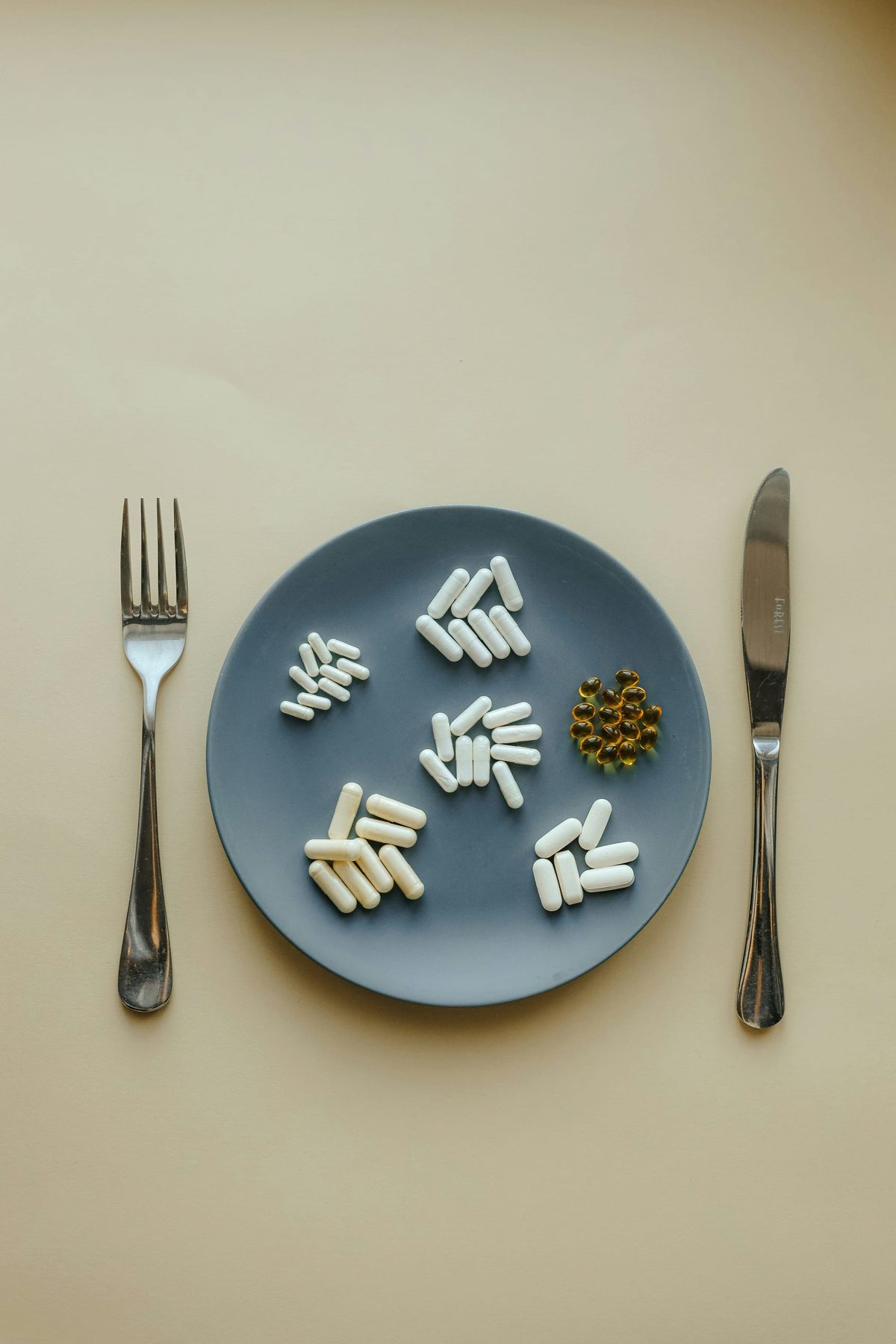
Weight loss drugs, such as Mounjaro and Ozempic (originally designed for persons with medical issues), are now, more than ever, being used for aesthetic purposes. According to The Guardian, sales and usage of GLP- 1 weight loss drugs have tripled to nearly sevenfold over the past few years.
The human desire to have things others cannot has led us to viewing food as luxury and decoration rather than necessity. The new obsession with food as a status symbol rather than sustenance has us seeing food everywhere, except our plates. The constant use of food imagery used by companies to promote their products have desensitised us to seeing food as symbols of wealth and trends.
According to Vogue Business, ‘food has become the new luxury’, with brands such as MiuMiu packaging their perfumes with faux ice-cream tubs and luxury fashion houses coming out with ‘mooncakes’ to celebrate the Chinese harvest festivals. These imitation uses of food imagery have only been aggravated by the use of social media and further pushed the strive for cadaverousness.
Young girls and women are living in a reality where every insecurity is pounced on by large corporations in order to make profits.
Sarah Wynn-Williams, a former Facebook employee, exposed in her book, ‘Careless People’, that when teenage girls took selfies and soon deleted them, the algorithm would push ads about weight loss and cosmetic surgery.
Beauty brands have also contributed to this; Tarte sent PR packages to influencers with their faces edited with surgical lines and scissors to promote their contour sticks, causing controversy and conversations about the normalisation of cosmetic surgery.
The obsession with thinness goes beyond the return of 90s anorexia, posing a serious ethical and medical threat. #skinnyTok had 500,000 posts and hundreds of millions of views on TikTok before being banned, with its main demographic being girls between the ages of 12 and 16.
With the ever-increasing use of social media, it is not a stretch to link trends to medical issues such as eating disorders. In the United States, public health estimates suggest that around 10,200 people die each year as a direct result of an eating disorder; that’s roughly one death every 52 minutes. These numbers are only getting worse.
Promotion of eating disorders has become a parasite on the already dangerous world of social media. With idols such as Ariana Grande highlighting her emaciation and a number of Korean artists promoting weight-loss teas and products, it has become increasingly easy for young women, and even children, across the globe to glorify and strive for unhealthy eating habits.
Economics do, and have always, dictated trends. In a world where fast fashion and knock-offs are easily accessible, we have turned to slimness and healthy food to fill the void as inaccessible luxuries. In doing so, we have lost the distinctive difference between being ‘thin’ and being ‘healthy.’ This is only exacerbated by viciously unchecked social media platforms whose algorithms ruthlessly push the glorification of emancipation and eating disorders onto young viewers. The 21st century has turned dystopian, with healthy food being seen as a luxury and skeletal figures being worshipped in the media.