Nigel Farage: Money, Power and Political Accountability
Written by Mohammed Arman Rahman, BA Politics and International Relations.
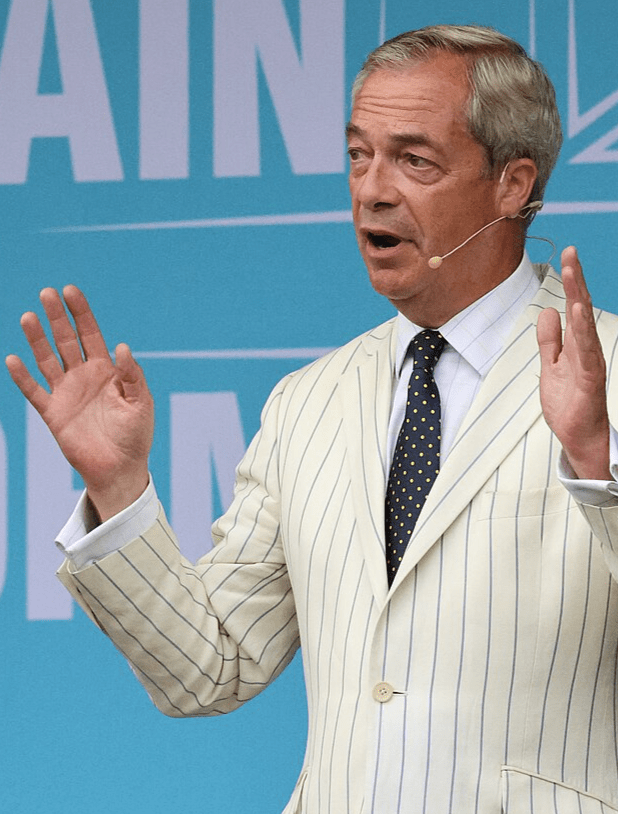
Reform UK leader Nigel Farage has faced scrutiny over his financial affairs following reports that he received an undeclared £5 million gift from cryptocurrency investor Christopher Harborne in April 2024. The gift became a subject of public controversy in April 2026, prompting questions over whether it should have been declared under parliamentary rules. On 7 July 2026, Farage resigned as MP for Clacton and called a by-election, insisting he had done nothing wrong. Competing parties, such as Labour and the Conservatives, announced that they would not field candidates, with a Labour Party spokesperson stating: ‘Nigel Farage is engulfed in a sleaze scandal and he’s desperately trying to change the subject.’ Farage subsequently won the by-election on 13 August, returning to Parliament as Clacton’s MP.
"Questions are raised about whether strong voter loyalty shields politicians from the consequences of political corruption."
Further doubts emerged following the release of footage by The Verbatim. The footage reportedly showed Reform senior advisor James Orr speaking to an undercover reporter, who used the alias William Lockwood, about a proposed scheme to channel foreign money to Reform UK through a US company to fund three international polls, at a cost of up to £32,500. Orr purportedly suggested that Farage would not know about the arrangement. When questioned by the BBC about the footage, Farage said he ‘frankly wasn’t listening.’
These incidents raise pressing questions about Farage’s accountability as a political leader. As the head of a party with a substantial following, he is facing scrutiny over both his own conduct and the activities of others associated with Reform UK. His political appeal has been built partly on his strong positions on immigration, employment and national identity, which resonate with voters who believe that immigration policies threaten job opportunities and traditional English culture.
However, the controversies surrounding Reform UK do not necessarily appear to have undermined Farage’s support. Some of his supporters have reportedly dismissed concerns about the party’s alleged funding arrangements; 68% said they ‘almost never trust British governments to place the needs of the nation above the interests of their own political party’ Questions are raised about whether strong voter loyalty shields politicians from the consequences of political corruption.
Questions about political accountability also extend to the scale of donations Reform UK receives. In September 2026, it was reported that the party received a further £36 million donation from Harborne. The investor commented: ‘My conclusion from Reform’s recent troubles is that they should spend less time trying to raise funds to compete on equal terms and more time preparing for government.’
Although large political donations are not inherently evidence of wrongdoing, such a scale challenges the principle of transparency and reveals the influence of wealthy donors. The central issue is whether existing rules adequately ensure accountability and secure public confidence in political funding.