No End to War in Yemen
Written by Samir Chowdhary-Fitton, MSc Politics and International Relations.
Yemen’s Houthi rebels have intensified attacks on Saudi Arabia, striking targets in Riyadh as fighting escalates along the Red Sea coast. The renewed conflict follows the breakdown of a fragile truce in July, ending several years of relative calm between the Houthis and the Saudi-backed Yemeni government. With the Houthis threatening a crucial international shipping route, the conflict risks disrupting global energy supplies and drawing Yemen deeper into the wider war between the United States (US) and Iran.
The Houthi movement, also known as Ansarallah, emerged in northern Yemen among the country’s Zaidi Shia Muslim community. Led by Abdul Malik al-Houthi, the group seized the capital, Sana’a, in 2014 and expanded its control across northwestern Yemen, challenging the internationally recognised government.
In 2015, Saudi Arabia led a coalition of Arab states, including the United Arab Emirates (UAE), in a military intervention to restore the government and prevent the spread of Iranian regional influence. While the coalition successfully halted the Houthi advance outside the key port city of Aden in the initial weeks of the campaign, they failed to make any further progress. Over the next seven years, an extensive Saudi air campaign involving the indiscriminate bombing of civilian targets, including schools and hospitals, killed over 10,000 Yemenis but failed to dislodge the Houthis. However, the campaign ultimately failed to dislodge the Houthis, despite a blockade that contributed to a devastating humanitarian crisis. According to the UN Development Programme, there were an estimated 220,000 deaths from famine, according to the UN Development Programme.
In the face of this stalemate and amid mounting international pressure, in 2022 Saudi Arabia and its Yemeni allies signed a UN-brokered ceasefire with the Houthis.
"The collapse of Saudi oil exports would stretch the already fragile global energy system to its limits."
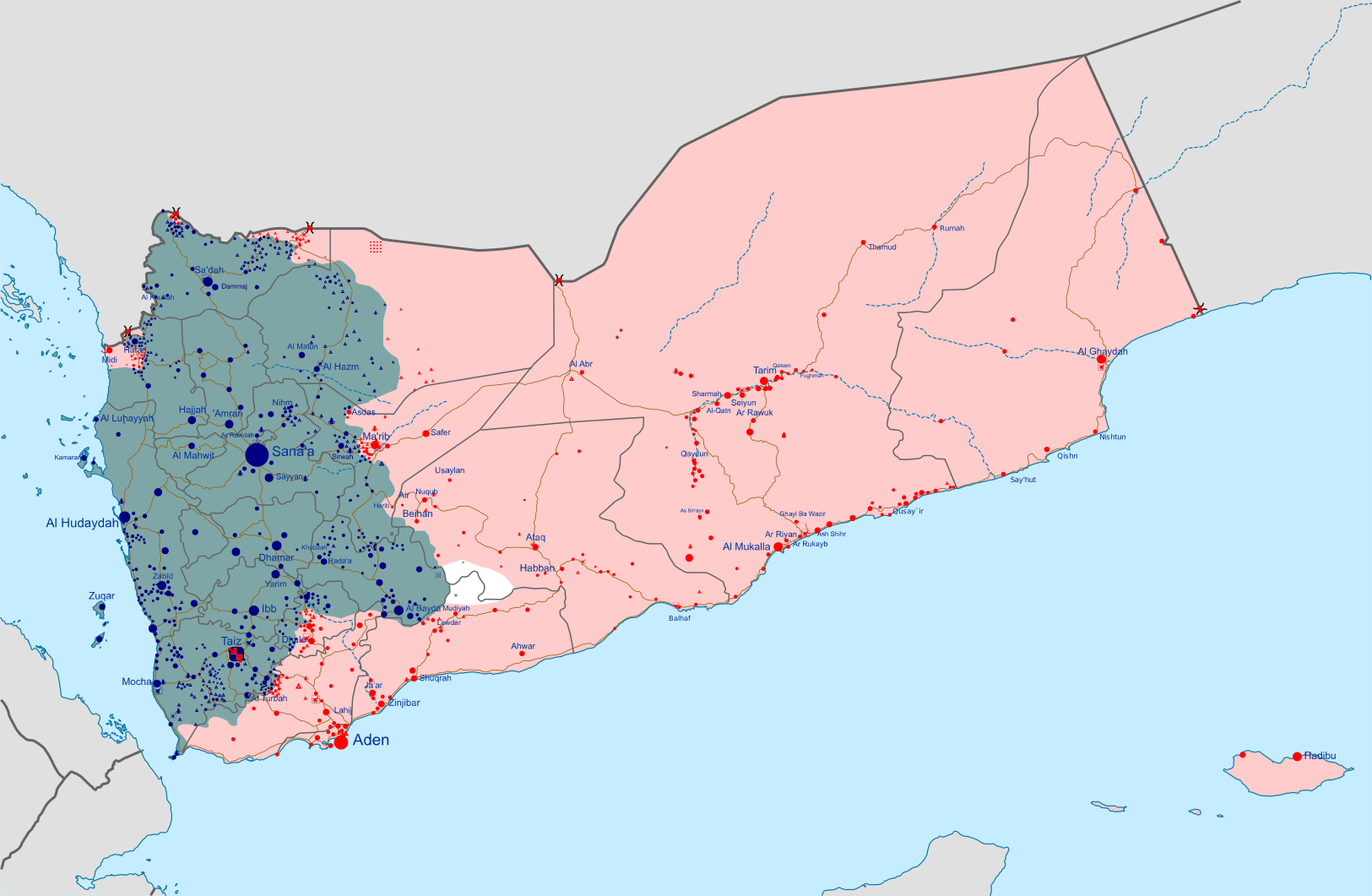
The UN-brokered truce, which ran from April to October 2022, reduced fighting but did not produce a lasting political settlement. Yemen has remained divided between the Houthis, who control Sana’a and much of the northwest, and the internationally recognised government, which is backed by Saudi Arabia and based primarily in Aden. Other factions, including the UAE-backed Southern Transitional Council, have pursued competing interests, complicating efforts to reunify the country.
For the Saudi government, access to the Red Sea is increasingly important as conflict threatens shipping through the Strait of Hormuz. Crown Prince Mohammad bin Salman’s agenda of economic diversification is reliant on presenting the kingdom as a safe destination for investment, an image undermined by repeated drone and missile attacks.
The Houthis have consolidated their position in northwestern Yemen since 2022. Estimates suggest they control approximately 25-35% of the country’s land area and around 70% of its population, although reliable data is difficult to obtain. Their position near the Bab-al-Mandab strait, which connects the Red Sea to the Gulf of Aden, gives them significant leverage over international shipping. Around 12% of global trade passes through the strait, making it a strategically important maritime checkpoint.
The Houthis have previously used their position to put pressure on Israel and its allies. In 2025, they targeted shipping in the Red Sea, citing Israel’s war in Gaza, before agreeing to a ceasefire following a US bombing campaign. Their renewed attacks on Saudi Arabia represent a further escalation, as the wider conflict between Iran and the US creates new risks for regional security.
The US-Iran war has increased the significance of Yemen’s coastline. Iran’s closure of the Strait of Hormuz has placed greater pressure on alternative oil-export routes, including those running through the Red Sea. In mid-September, the Houthis seized territory along Yemen’s Red Sea coast, including the port city of Mokha and the island of Perim, which lies within the Bab al-Mandab Strait. They have since threatened Saudi shipping and oil exports whilst launching drone attacks on Abha, Jizan, and Riyadh.
The threat to Saudi Arabia is significant. The kingdom depends heavily on oil revenues and has sought to maintain exports through Red Sea terminals when shipping through the Strait of Hormuz is disrupted. A prolonged interruption to these routes could place further pressure on the Saudi economy and international energy markets. However, the extent of the disruption to Saudi oil exports needs to be established before the blockade can be described as having halted all shipments.
Saudi Arabia and Yemeni government forces have launched an offensive to recover territory seized by the Houthis. Government sources claim that their forces have retaken the towns of Dhubab and Hadeid near the strait, although these claims require independent verification. The Houthis' withdrawal from negotiations, alongside US President Trump refusing to intervene, has left the prospects for a diplomatic settlement unclear.
Saudi Arabia has also sought support from regional allies, including Pakistan and Turkey, although the extent of any military assistance remains uncertain. The consequences of the renewed fighting are already being felt by civilians: the International Organization for Migration has reported that as of 28 September 2026, over 145,000 people have been displaced.
However, unless the Houthi forces are entirely displaced from their current position, this situation is unlikely to change. As the third-largest oil producer responsible for 11% of global supply, the collapse of Saudi oil exports would stretch the already fragile global energy system to its limits, with catastrophic effects for the state itself and the international economy.
As the Houthis consolidate their position along one of the world's most strategically important shipping routes, the conflict threatens to turn Yemen's unresolved civil war into a wider crisis for regional security and global energy supplies.