
Paramount vs. Netflix: What the Warner Brothers merger could mean for the future of the global film industry
Written by Charlotte Allex, BSc Politics, Philosophy and Economics.
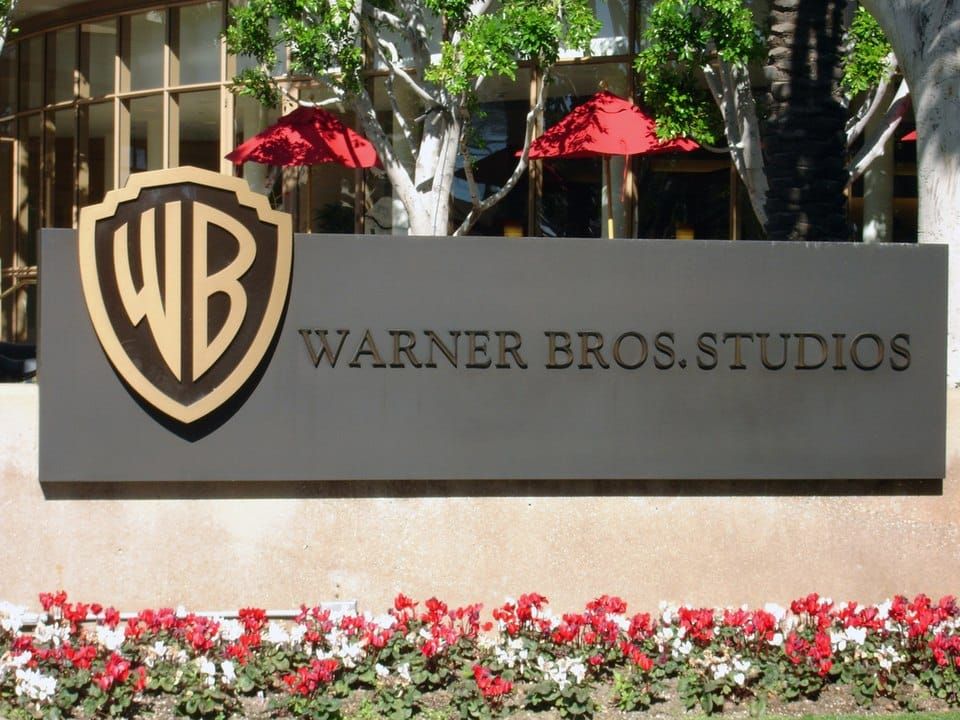
On December 5th 2025, Netflix publicly announced their intention to purchase a large portion of the Hollywood giant, Warner Bros. For an initial bid of $82.7 billion in total enterprise value, it appeared that WB would quickly become a Netflix asset. However, later in December, Paramount mounted a takeover bid valued at $108 billion for all of WB’s assets. An important distinction between these two takeover bids was the scope of their respective offers. While Netflix seemed exclusively interested in purchasing the film production and distribution branch, which includes HBO, HBO Max, WB film and TV studios and the lot in Burbank, Paramount wishes to acquire WB in its entirety, including news organisations CNN and CBS News. Although the heated, months-long bidding war has come to an end on the 26th of February, when Netflix officially dropped their bid after Paramount again raised its offer earlier that week by $1 per share, citing that the transaction was always a “transaction was always a 'nice to have' at the right price, not a 'must have' at any price," either outcome would have fundamentally reshaped Hollywood.
“We should fight for solutions which ensure that filmmakers across the world are not sidelined in favour of corporate profit incentives.”
If the Paramount takeover goes through the California Department of Justice review, it has been heavily implied by Paramount CEO David Ellison that CNN will become more favourable towards Donald Trump and his administration, as Ellison publicly assured Trump that he would make “sweeping changes” to the network. This would become yet another instance of right-wing media consolidation by the president of the United States.
If Netflix were to acquire WB, however, the merger would contribute to the downfall of theatrical releases. Since the Covid-19 pandemic, cinemas have struggled to attract consumers back to the big screen, resulting in the average theatrical window decreasing by more than 13% from 2023 to 2024. This trend is in large part a result of a change in consumer preference when it comes to media consumption, i.e consuming readily available content on your device rather than attending dedicated screenings in cinemas. This directly corresponds with the service that Netflix provides. While Netflix CEO Reed Hastings has not commented on the WB acquisition, he claimed during a podcast interview that theatrical releases were outside of Netflix’s core business model. As such, should Netflix have continued its WB bid, there is high likelihood that the former will have to comply with a streaming-centred business model.
Whether or not one enjoys theatrical releases, we should consider that beyond the USA, many countries rely on the box office to subsidise independent film production. This is notably the case in France where the national film agency (CNC) derives funds from taxing cinema tickets to then provide funds to independent filmmakers. A lack of taxable tickets at the box office would effectively kill a billion euro industry. This would also affect filmmakers from the Global South, as many European production companies co-produce films with firms in the Global South producing award-winning titles such as Palestine 36, All We Imagine as Light and It Was Just an Accident.
It is now difficult to imagine a world where consumers return to the cinema. Nonetheless, we should fight for solutions which ensure that filmmakers across the world are not sidelined in favour of corporate profit incentives. While we might be seeing the end of the studio system, the seventh art will no doubt continue to exist.